In late 2024, Tanzania has ammended its Environmental Impact Assessment (EIA) and Audit Regulations for the second time since 2005 – and climate change is at the heart of these amendments. The government’s move reflects Tanzania’s high vulnerability to climate change [ranked among the most vulnerable countries with low readiness to cope] and a commitment to sustainable development. By integrating climate considerations directly into EIA requirements, these regulatory changes aim to ensure that new projects are not only environmentally sound but also resilient to climate impacts. This update is significant for businesses, developers, and investors in Tanzania: it aligns environmental governance with global climate priorities and the country’s own 2021 National Environmental Policy, signaling that climate risks and opportunities must now be factored into every major project.
Purpose and Significance of the 2024 Changes
The 2024 amendments serve to mainstream climate change into Tanzania’s environmental management framework. Prior to this, EIA regulations from 2005 (last amended in 2018) had no explicit requirements to consider climate change. The new rules correct that gap, ensuring that projects are planned with future climate realities in mind. By doing so, Tanzania is strengthening its compliance with international climate agreements (like the Paris Agreement) and safeguarding its long-term development. The purpose of these changes is clear: to foster sustainable growth without compromising the environment, by baking climate resilience and mitigation into the DNA of project planning. This is a proactive step that elevates EIA from a procedural hurdle to a forward-looking tool for risk management and sustainability.

Transforming the flood-prone Msimbazi Basin through integrated, climate-resilient planning
The significance of the 2024 changes extends beyond bureaucracy – it’s about resilience and investor confidence. Projects that account for climate risks (e.g. extreme weather, shifting rainfall patterns) are less likely to face disruptions or costly damages down the line. For a country facing frequent droughts and floods, this is crucial. It also means Tanzania’s regulatory environment is catching up with global best practices, which can make Tanzanian projects more attractive to international investors focused on Environmental, Social, and Governance (ESG) criteria. In short, these changes underscore that climate change is now a core consideration in Tanzanian development, not an afterthought.
Key Climate-Related Additions in the 2024 EIA Amendments
The amended regulations introduce several specific requirements to integrate climate change into the EIA process. Below are the key climate-related additions developers and stakeholders should know:
- New Climate Terminology Defined: The law now includes definitions for “climate change adaptation,” “climate change mitigation,” and “climate resilient”. For example, climate change adaptation is defined as “the process of adjusting to the current and expected effect of climate change,” and climate change mitigation as actions that reduce or limit greenhouse gas emissions. By defining these terms, the regulations set a clear context for what is expected in reports and plans.
- Climate Consideration in Decision-Making: Environmental decision-makers must consider potential climate impacts and vulnerability assessments at every step of project approval. The amendments to Regulation 12 require authorities to ensure climate impacts are evaluated and to “promote development of climate resilient infrastructure… taking into consideration the project viability” under future climate scenarios. Moreover, a new Regulation 15A explicitly states that at “each stage of development, programs or projects shall take into consideration climate impacts and vulnerability assessments”. In practice, this means no project gets a green light without accounting for how it may be affected by or contribute to climate change.
- EIA Reports Must Address Climate Risks: The content requirements for EIA studies now embed climate change throughout. Regulation 18 has been expanded so that an EIA report must include sections on climate change mitigation and adaptation alongside the traditional environmental and social analysis. Specifically, reports need to discuss how the project will mitigate climate change or adapt to it, assess the “positive or negative effect of the project on climate mitigation” (does the project help cut emissions or make it worse?), evaluate “the vulnerability of the project to the impact of climate change”, and crucially, provide a “climate adaptation plan” for the project. This adaptation plan should propose measures to eliminate or minimize adverse climate impacts on the project, complete with cost estimates, timelines, and responsibilities for implementing these measures. In essence, project proponents must show not only that they will protect the environment, but also that the environment (and climate) will not undo their project.
- New Category for Climate-Sensitive Projects: A “Type C” project category has been introduced for projects requiring a dedicated climate impact and vulnerability assessment. This category covers large-scale and “climate relevant projects, including all investment projects and policies related to energy, transport, water, agriculture, forestry and land-use planning and management”. If your project falls into these sectors or is otherwise climate-sensitive, it may be classified as Type C – triggering a requirement for a specialized climate risk assessment as part of the EIA. This is a new layer of scrutiny ensuring that big projects with major climate footprints or exposure are evaluated more rigorously.
- Screening for Disaster Risk: The screening criteria (Second Schedule) now explicitly ask whether a proposed project could “increase the likelihood or the impact of natural disasters”. This means, for instance, if a development might worsen flooding or deforestation (thus amplifying droughts), regulators will flag it early for deeper assessment. Projects will need to demonstrate how they avoid exacerbating climate-related disasters.
- Climate-Integrated Management and Monitoring: The regulations weave climate into project management plans and monitoring. Environmental Management Plans (EMP) and monitoring programs – the tools that ensure compliance during project implementation – must now include climate change mitigation and adaptation actions. Furthermore, during a project’s lifespan, developers are required to periodically assess and review the project’s viability in light of climate change effects. In practical terms, even after an EIA is approved and a project is underway, there is an ongoing duty to monitor how climate trends (say, increasing temperatures or more intense storms) might impact the project’s operations and sustainability. This adaptive management approach pushes companies to remain vigilant and responsive to climate changes over time, not just at the planning stage.
All these additions make the 2024 EIA regulations a comprehensive climate-proofing framework. From start to finish, climate change considerations are embedded – a strong signal that Tanzania is aligning environmental regulation with the realities of climate risk and global best practices in sustainable project development.
Practical Implications for Developers and Investors
For developers and investors, the 2024 regulatory changes are more than just legal formalities; they have tangible impacts on how projects are planned, financed, and executed in Tanzania:
- More Rigorous EIA Process: Preparing an EIA will now likely require additional expertise and effort. Project teams must incorporate climate scientists or climate data into their studies. Expect to conduct climate vulnerability assessments (especially if you’re in sectors like energy, infrastructure, agriculture, etc.) and to develop climate adaptation and mitigation strategies as part of your project design.
- Designing Resilient Projects: Practically, developers should start designing projects with climate resilience in mind from the outset. For example, if you’re planning a coastal investment or a large agricultural venture, you’ll need to consider future sea-level rise or shifting rainfall patterns in your design and location choices. The new rules enforce this by requiring evidence of climate consideration, but it also simply makes good business sense.
- Impact on Investment and Financing: Investors are increasingly conscious of climate risks and ESG criteria. These regulatory changes can actually boost investor confidence in Tanzanian projects. Knowing that a project has passed a climate-inclusive EIA means many climate-related risks have been evaluated and mitigated. This can make it easier to secure funding or insurance for the project. International lenders, in particular, often require climate risk assessments – now those are mandated by law for significant projects, aligning regulatory compliance with investor expectations. Additionally, projects that include strong climate mitigation components (like renewable energy use, energy efficiency, or carbon sequestration efforts) might tap into climate finance opportunities or carbon credit markets, turning compliance into a financial positive.
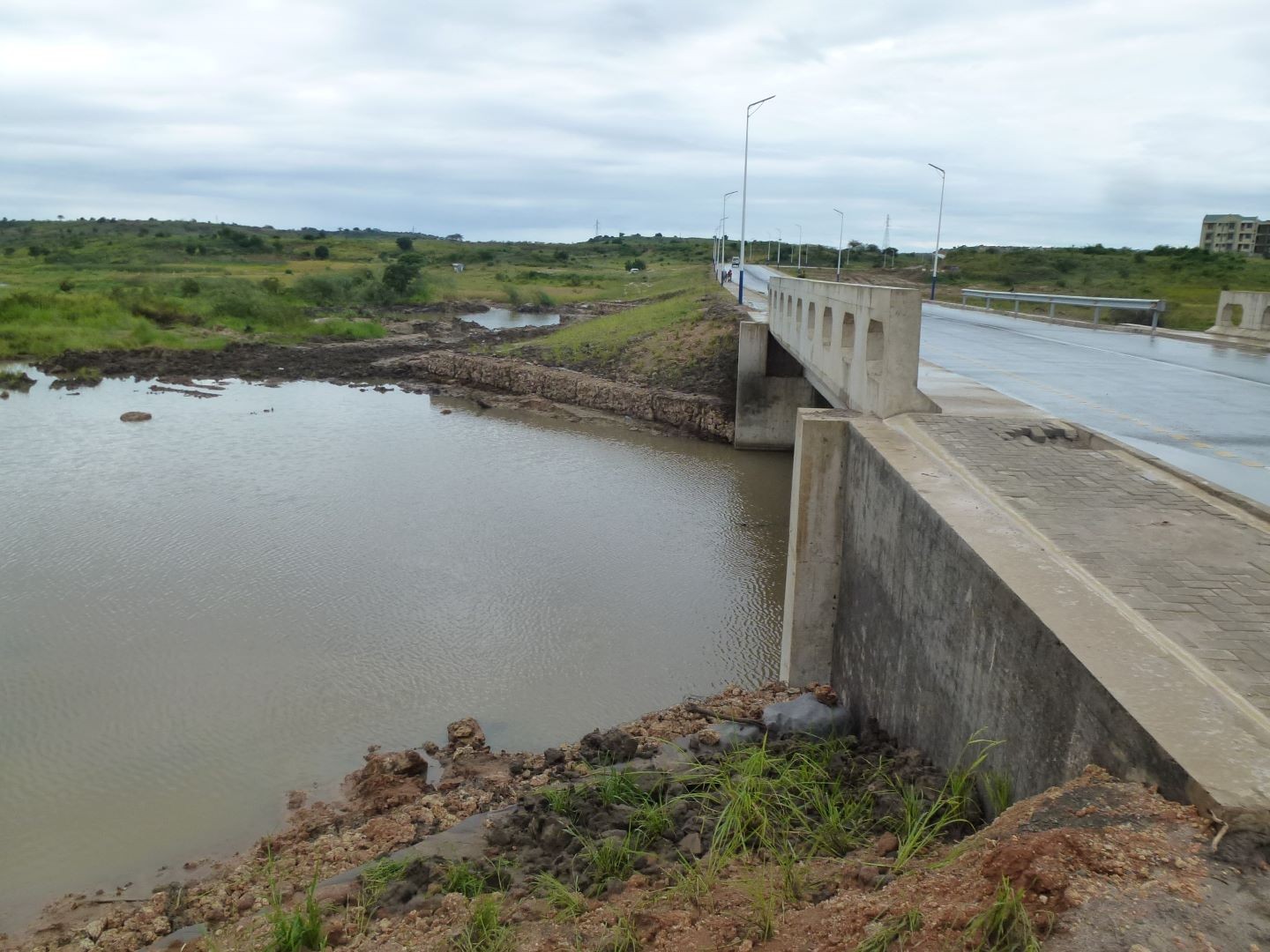
Climate-informed design reduces disruption and lifetime costs
In summary, while the 2024 EIA amendments introduce new responsibilities for project proponents, they also provide a framework for sustainable success. Developers and investors who embrace these changes will not only stay on the right side of the law but also enhance their projects’ robustness and appeal in an era where climate-savvy business is the smart business.
How Tansheq Can Help Clients Navigate and Benefit from the Updates
Tansheq has been closely monitoring the regulatory changes and is fully equipped to help clients comply with the 2024 EIA and Audit Regulations – and even turn them into an advantage. Here’s how we support our clients in this new landscape:
- Expert Guidance on Compliance: Our team at Tansheq includes seasoned environmental experts, EIA practitioners, and climate specialists who understand the fine print of the amended regulations. We help you identify which new rules apply to your project – for instance, determining if your project falls under the new Type C category requiring a climate vulnerability assessment – and guide you through fulfilling each requirement. From completing the proper screening checklists (ensuring your project won’t trigger issues like natural disaster risks) to preparing the documents for EIA submission, we’ve got you covered with technical clarity.
- Climate Risk Assessment & Adaptation Planning: Tansheq has developed tools and methodologies for conducting climate impact and vulnerability assessments tailored to Tanzanian conditions. We will work with you to analyze how projected climate scenarios (such as increased temperature, rainfall variability, or extreme events) could affect your specific project. Using this analysis, we craft robust Climate Adaptation Plans as required by the new regulations, outlining concrete measures your project can take to remain resilient (e.g. flood defenses, drought-resistant technologies, emergency response plans). Our plans are not just about compliance – they are about ensuring your investment thrives in the long run, despite climate challenges.
- Greenhouse Gas Mitigation Strategies: In line with the climate change mitigation focus of the amendments, Tansheq helps quantify your project’s carbon footprint and develop strategies to reduce it. Whether it’s optimizing energy use, integrating renewable energy, or conservation offsets, we align your project with Tanzania’s low-carbon development goals. This not only meets regulatory expectations to include mitigation in the EIA, but can also enhance your corporate sustainability profile – a win-win for compliance and reputation.
- Seamless EIA Report Preparation: As a client-focused consultancy, we excel at producing comprehensive EIA reports that satisfy all the new content requirements. Our reports clearly address each item that regulators will look for – from the detailed climate adaptation plan to the assessment of the project’s effect on national climate targets. We understand the promotional tone needed when communicating positive project aspects, and we ensure that the language in the report is both technically sound and accessible to decision-makers. The result is an EIA document that instills confidence in regulators and stakeholders alike.
- Capacity Building and Ongoing Support: Compliance doesn’t end with the EIA approval, and neither does Tansheq’s support. We offer training for your project team on implementing the Environmental and Social Monitoring Plan with its new climate components, so that during project implementation you continue to meet the obligations (like the rolling climate viability assessments). Our consultants can assist in periodic reviews and audits, helping you adjust your strategies if climate impacts evolve. Essentially, we act as your partners throughout the project life cycle, ensuring you consistently benefit from best practices in environmental and climate risk management.
At Tansheq, we don’t view the 2024 regulatory changes as just another box to tick – we see them as an opportunity for our clients to innovate and lead in sustainable development. By working with us, you leverage our deep understanding of local regulations and global climate standards, which means your project will not only comply but stand out as a model of environmental responsibility.
SOURCE BY: TANSHEQ LIMITED